Supervision Tips: Keeping Your Kids Safe While Bouncing
Learn the most important trampoline supervision tips to ensure your kids stay safe while bouncing. Expert advice on trampoline safety rules, injury prevention, and responsible parental supervision.


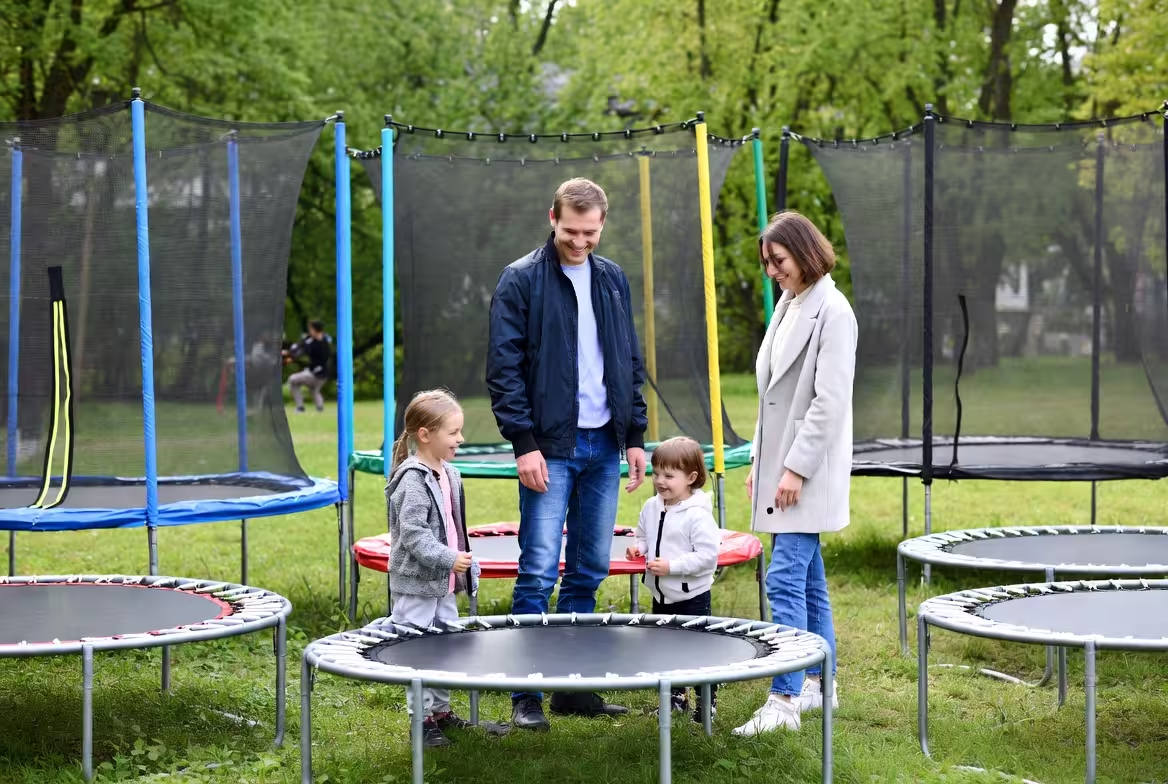
Trampolines provide hours of outdoor fun, physical activity, and family entertainment. However, without proper supervision and clear safety rules, they can also pose risks. Whether you’ve recently completed a trampoline installation or have had one in your backyard for years, active parental supervision is the key to preventing injuries.
In this guide, we’ll cover essential trampoline supervision tips, practical safety rules, and expert recommendations to help keep your kids safe while bouncing.
Why Trampoline Supervision Is So Important
According to safety experts, most trampoline injuries occur due to:
- Multiple jumpers at the same time
- Lack of adult supervision
- Attempting flips or advanced tricks
- Improper trampoline setup
- Worn or damaged equipment
Even with modern safety enclosures and padding, parental supervision remains the most effective way to reduce trampoline-related injuries. Proper monitoring ensures children follow rules, bounce safely, and avoid risky behavior.
1. Always Provide Active Adult Supervision
The most important trampoline safety rule: Never leave children unattended while using the trampoline.
Active supervision means:
- Watching continuously (not from inside the house)
- Avoiding distractions like phones
- Enforcing safety rules immediately
- Intervening when risky behavior starts
Younger children require especially close supervision. If kids under 6 are using the trampoline, an adult should be within arm’s reach.
2. Enforce the “One Jumper at a Time” Rule
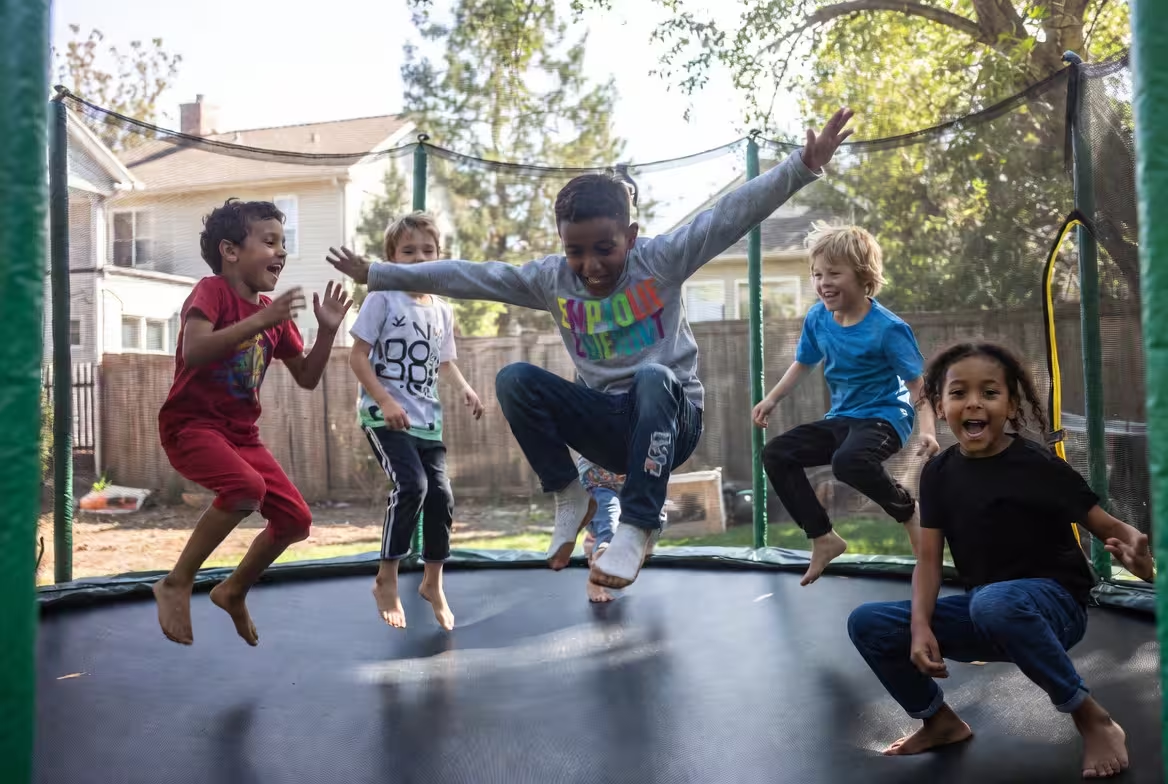
Many trampoline injuries happen when multiple children bounce together. Larger jumpers can unintentionally propel smaller children into the air, causing loss of balance and awkward landings.
To reduce trampoline injury risk:
- Allow only one jumper at a time
- Create a rotation system
- Set clear expectations before play begins
This simple rule dramatically improves trampoline safety.
3. Prohibit Flips and Advanced Tricks
Backflips and somersaults are among the leading causes of severe trampoline injuries, especially neck and spinal injuries.
Unless your child is:
- Properly trained
- In a supervised gymnastics setting
- Using professional equipment
Flips should not be allowed on backyard trampolines.
Focus on:
- Controlled bouncing
- Proper landing techniques (both feet centered)
- Staying within the jumping mat area
4. Check Equipment Before Every Use
Safe bouncing starts with proper trampoline setup and maintenance. Before each session, inspect:
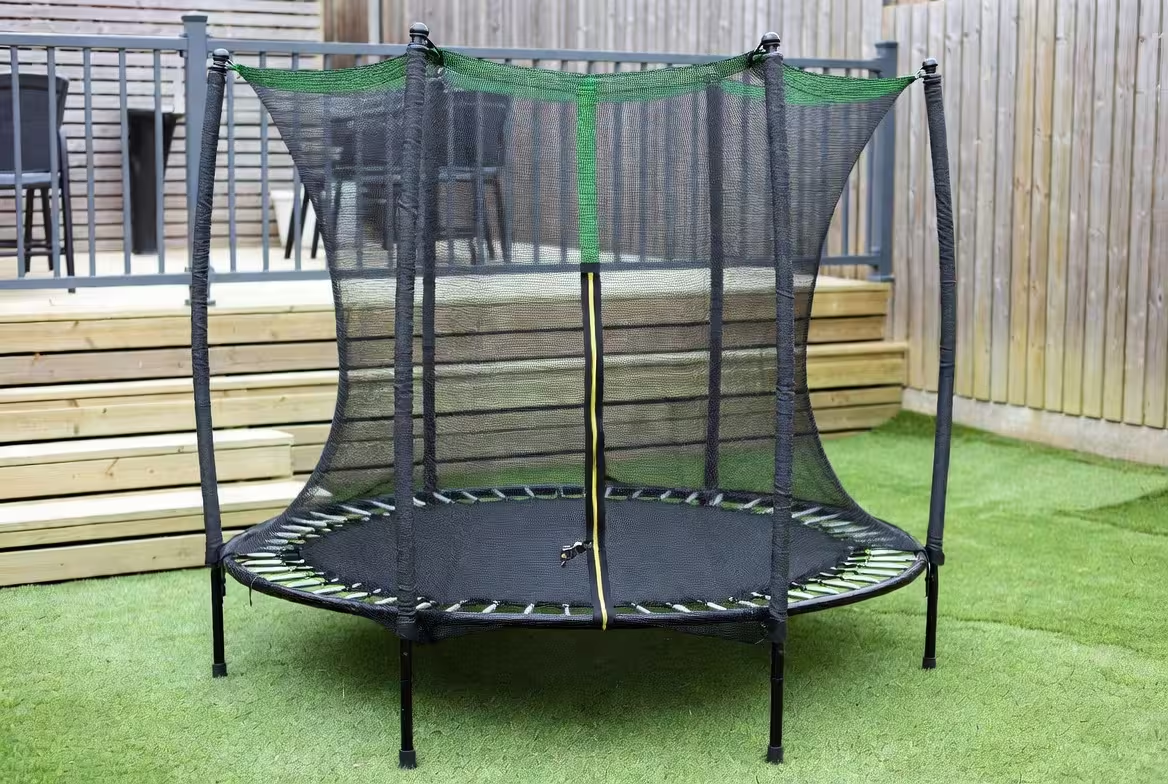
- Safety net enclosure
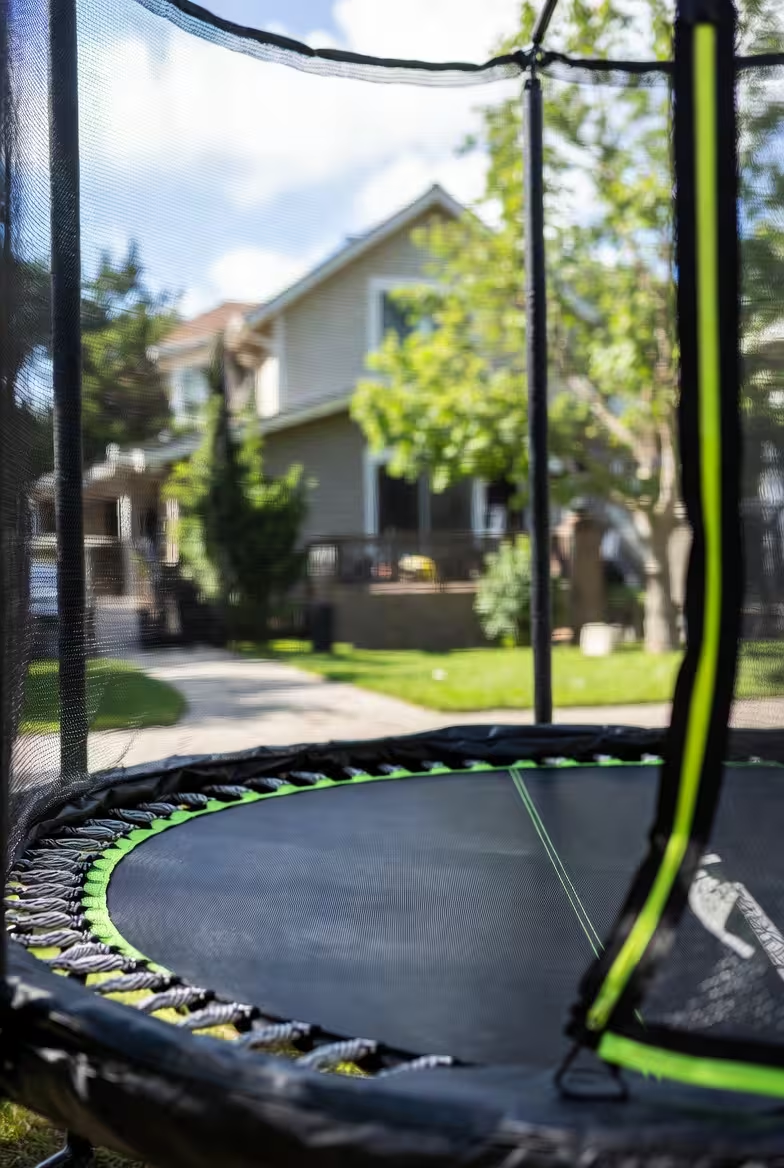
- Padding covering springs and frame
- Jump mat for tears
- Frame stability
- Anchors (especially in windy areas)
Professional trampoline installation ensures correct assembly, but ongoing maintenance is equally important.
5. Set Clear Trampoline Safety Rules
Children respond well to clear and consistent rules. Post trampoline safety guidelines near the equipment, such as:
- No roughhousing
- No climbing on the safety net
- No jumping off the trampoline
- No objects on the mat
- Always zip the enclosure
Review the rules regularly, especially when friends visit.
6. Limit Access When Unsupervised
When adults are not available to supervise:
- Remove the ladder
- Zip and secure the enclosure
- Use a safety lock if available
- Consider temporary disassembly in off-seasons
Controlling access prevents unsupervised trampoline use, which is one of the biggest safety risks.
7. Teach Proper Jumping Technique
Even basic jumping should be taught correctly:
- Jump in the center of the mat
- Land with knees slightly bent
- Maintain balance before bouncing again
- Stop bouncing before exiting
Teaching proper trampoline technique reduces falls and awkward landings.
8. Be Weather-Aware
Wet mats increase slipping risk, and high winds can destabilize trampolines.
Never allow use when:
- The mat is wet
- Strong winds are present
- Storms are approaching
Proper anchoring during trampoline installation helps, but supervision includes environmental awareness.
9. Consider Age and Weight Guidelines
Manufacturers provide specific:
- Weight limits
- Age recommendations
Children under 6 are at higher risk of injury. Always follow manufacturer guidelines and ensure the trampoline size is appropriate for your child’s age group.
10. Choose Professional Trampoline Installation
Proper trampoline assembly directly impacts safety. Incorrect installation can lead to:
- Frame instability
- Loose springs
- Misaligned enclosures
- Increased tipping risk
Hiring professionals ensures:
- Correct assembly
- Secure anchoring
- Proper placement on level ground
- Maximum structural stability
If you’ve recently purchased a new trampoline, investing in professional trampoline installation services significantly enhances long-term safety.
Final Thoughts: Supervision Is the Best Safety Feature
Safety nets, padding, and anchors all play important roles — but active parental supervision is the most powerful injury-prevention tool.
By enforcing trampoline safety rules, monitoring play closely, and ensuring proper trampoline installation and maintenance, you can create a safe, fun environment where kids can enjoy bouncing for years to come.
If you’re planning a new setup or need professional help, expert trampoline installation ensures your equipment is assembled safely and correctly from day one.